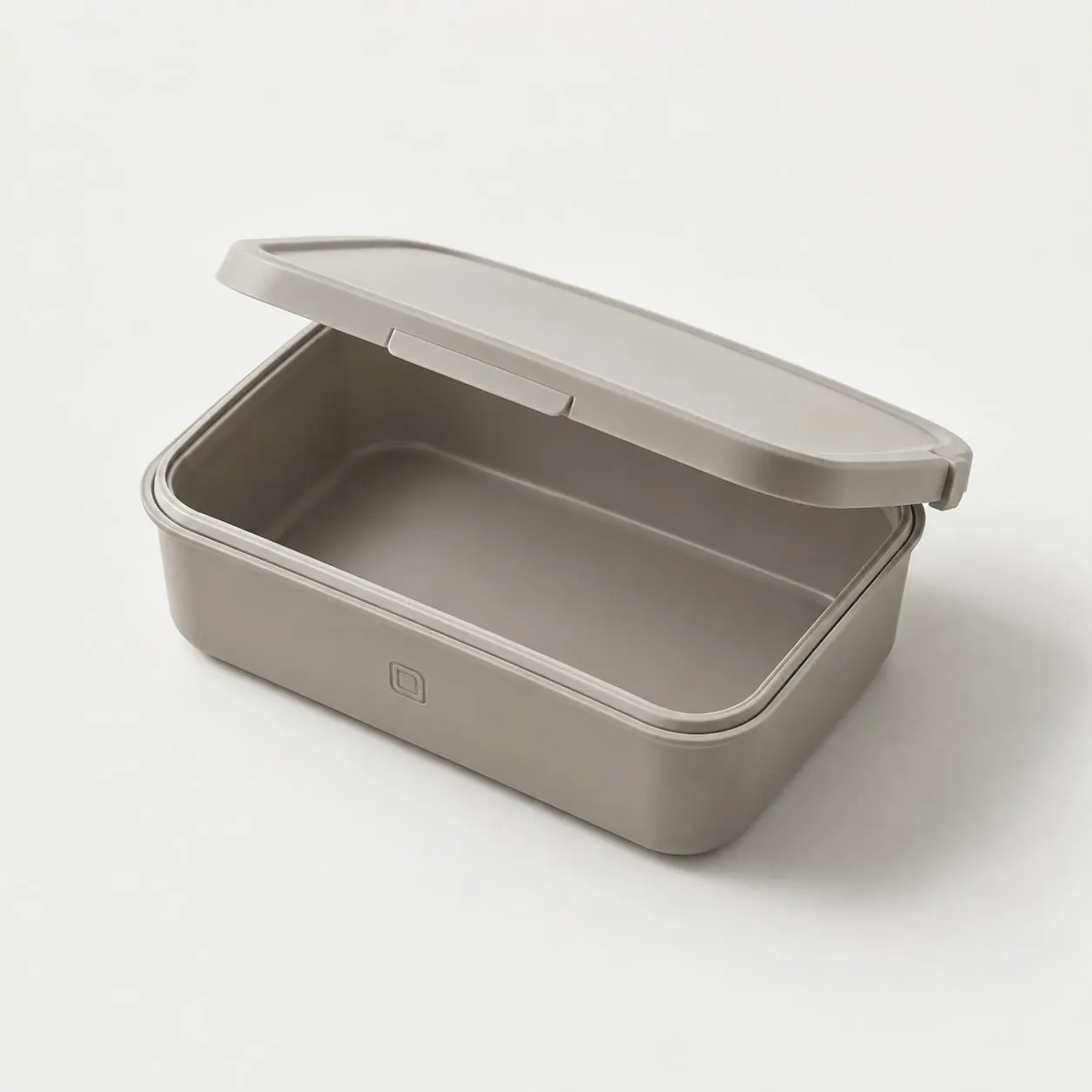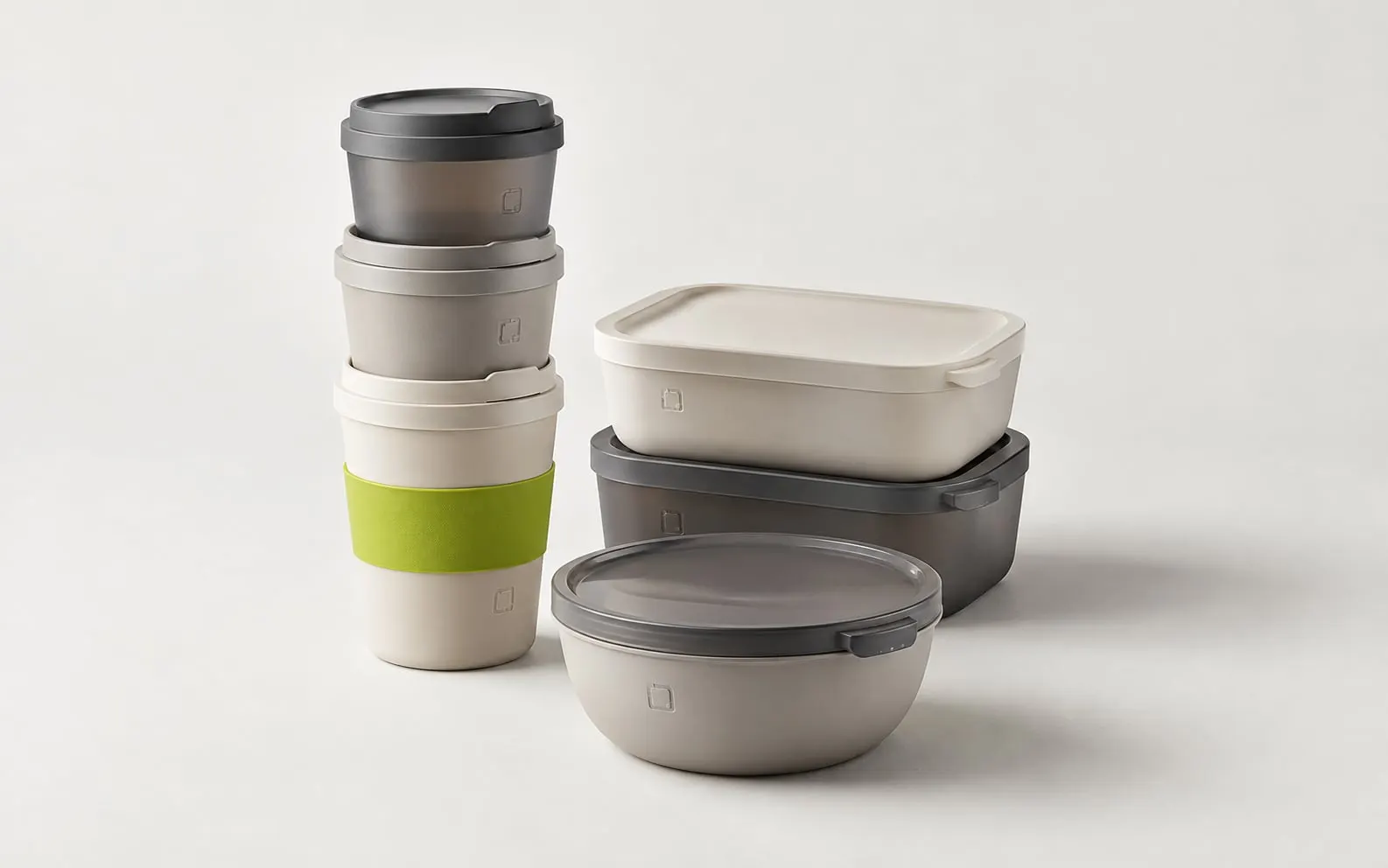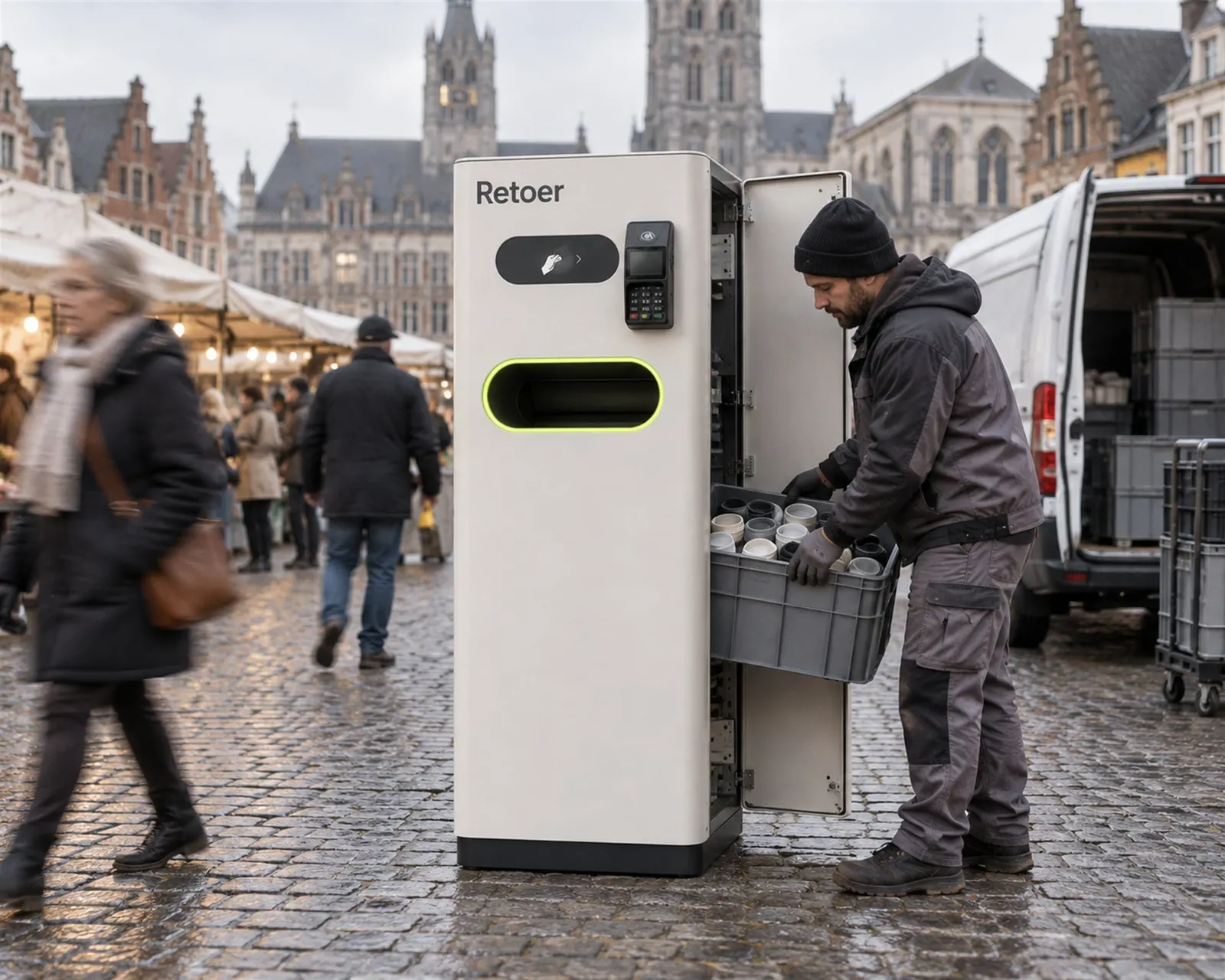

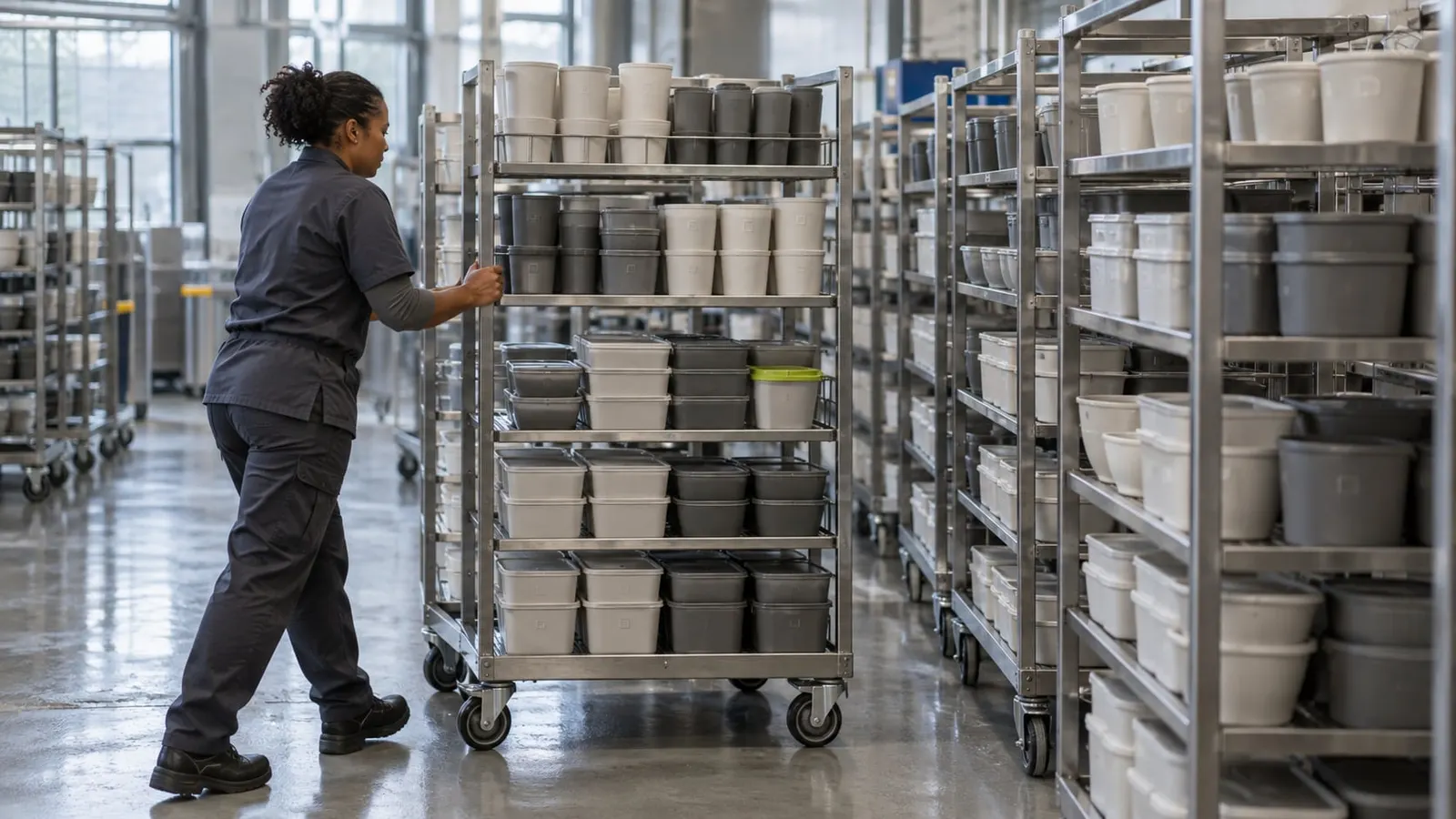
A reusable container stays identifiable through washing because it carries its own unique code, and that code has to survive the washer. In Retoer’s setup, every container gets a GS1-based identifier, usually one code on the base, with the lid tracked as part of the same bundle. QR and RFID are both candidates, and Retoer tests them in parallel for wash resistance. There is no test result to report yet.
Why does every container need its own identifier?
Without a code per container, a reuse system only counts packages. It can’t tell which one came back, when, or from whom.
With one, the system can do the work around the container:
- Deposits. A deposit ledger registers each deposit per container and refunds it on return.
- Tracing. Businesses, washing partners, and the administrator can see where a container is in the loop.
- Exceptions. A container that doesn’t come back, or comes back damaged, shows up as an exception instead of disappearing into a stock count.
Some models can’t work without it. A library model, where nobody pays a fixed deposit, needs every container to be serialized. Our post on the deposit and library model explains why.
What is the difference between QR and RFID?
Both link a physical container to a record. They read differently.
- QR code. A printed or marked pattern, read by a camera or scanner. It must be visible, clean, and facing the reader.
- RFID tag. A small tag read by radio. It doesn’t need a clear line of sight to the reader.
Neither is the answer by default. A mark on the surface can wear or get covered, and a tag adds a part that has to survive the same wash. That is why the question is open.
Why GS1?
GS1 is the organization behind the barcode numbering most businesses already use. Retoer’s open standard covers GS1-based identification next to packaging formats, deposit rules, the data model, and certification.
A common identifier format means any producer, return machine supplier, or washing partner can read a container without a private agreement. It also keeps the system neutral: the code belongs to the standard, not to one vendor.
Why one code on the base, and the lid as a bundled component?
The typical setup is one code on the container base, with the lid tracked as a bundled component. A container and its lid travel together through the loop, so one identifier covers both.
This keeps the number of codes to manage low. It is a typical setup, not a rule for every format.
Why does Retoer test QR and RFID in parallel?
Washing is the hard part. A container goes through an industrial washer again and again, and its identifier has to stay readable through all of it. Which of the two holds up better, in which format and material, is a question for testing.
Retoer runs both side by side so the standard rests on evidence. When results are ready, they will go into the standard that producers certify against.
What does this mean for producers and washing partners?
For producers, identification is part of the open standard. You certify packaging once with Retoer and sell it to every connected business, instead of meeting a different container, code, and test for each reuse initiative.
For washing and logistics partners, a common identifier means one way to read containers, whichever producer made them.
If you make packaging, or run a washing line, and want to help set this standard, see what Retoer offers packaging producers, or read how the system works. Our post on who owns the deposits when a reuse operator stops covers the neutral side of the standard.
Retoer is an open infrastructure for reusable packaging with deposit in Belgium, developed with Thomas More University of Applied Sciences. Rotion is the first technology provider helping to launch it, and other providers can join on the same open standard. To talk about identification, get in touch with the Retoer team.