
A municipality can tender reuse without locking itself into one operator by tendering the standard, not a brand: one system that every operator can join under the same rules, with the data and deposits held outside any operator. Aarhus in Denmark tendered one system for the whole city. Retoer’s model tender follows the same logic so that local procurement in Belgium converges on one open standard instead of producing a patchwork. Retoer doesn’t publish a tender text yet, so this post sets out what such a tender is for and what a city can ask for.
How can a city tender reuse without locking itself in?
The lock-in risk sits in what the tender buys. If it buys a closed system, the city depends on that supplier for containers, return points, and data. If the operator stops, the city starts over.
The alternative is to buy against an open standard. The tender describes how containers are identified, how returns are registered, and who holds the deposits, and then any operator that meets the description can take part. The city keeps its choice, and residents keep one way to return a container.
What Aarhus did: one tendered system
In Aarhus, the city tendered one reuse system for the whole city. TOMRA operates it, and the deposit is refunded to a bank card. From January 2024 to December 2025, more than 1.6 million cups were returned, a 91% return rate, according to the European Commission.
The tender did not create the result alone. Return is app-free and return machines are close together. But the tender is why there is one system to return to, and that is the precondition for the rest. Our post on how Aarhus gets its cups back ties each result to its design choice.
Aarhus is not a Retoer system. It is one of the international cases behind Retoer’s design principles.
Why separate tenders lead to a patchwork
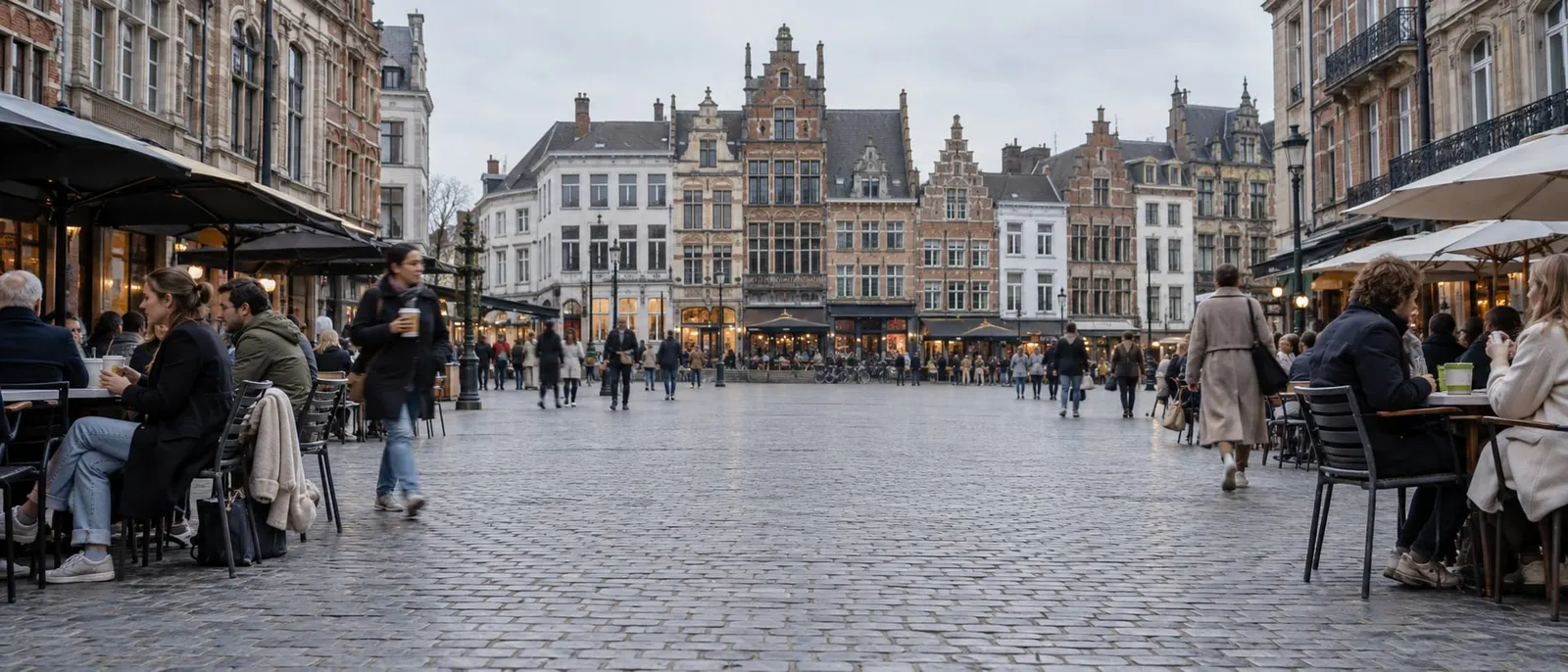
Belgium has many municipalities and many initiatives. If each city tenders its own system, the result is predictable: different containers, different deposit amounts, different return points, and no way to return a cup in one town that was bought in another.
That hurts the person holding the cup, who needs one rule that works everywhere. It also hurts density: several thin networks in one area are worse than one dense network. Our post on how many return points a system needs explains why.
What a model tender is for
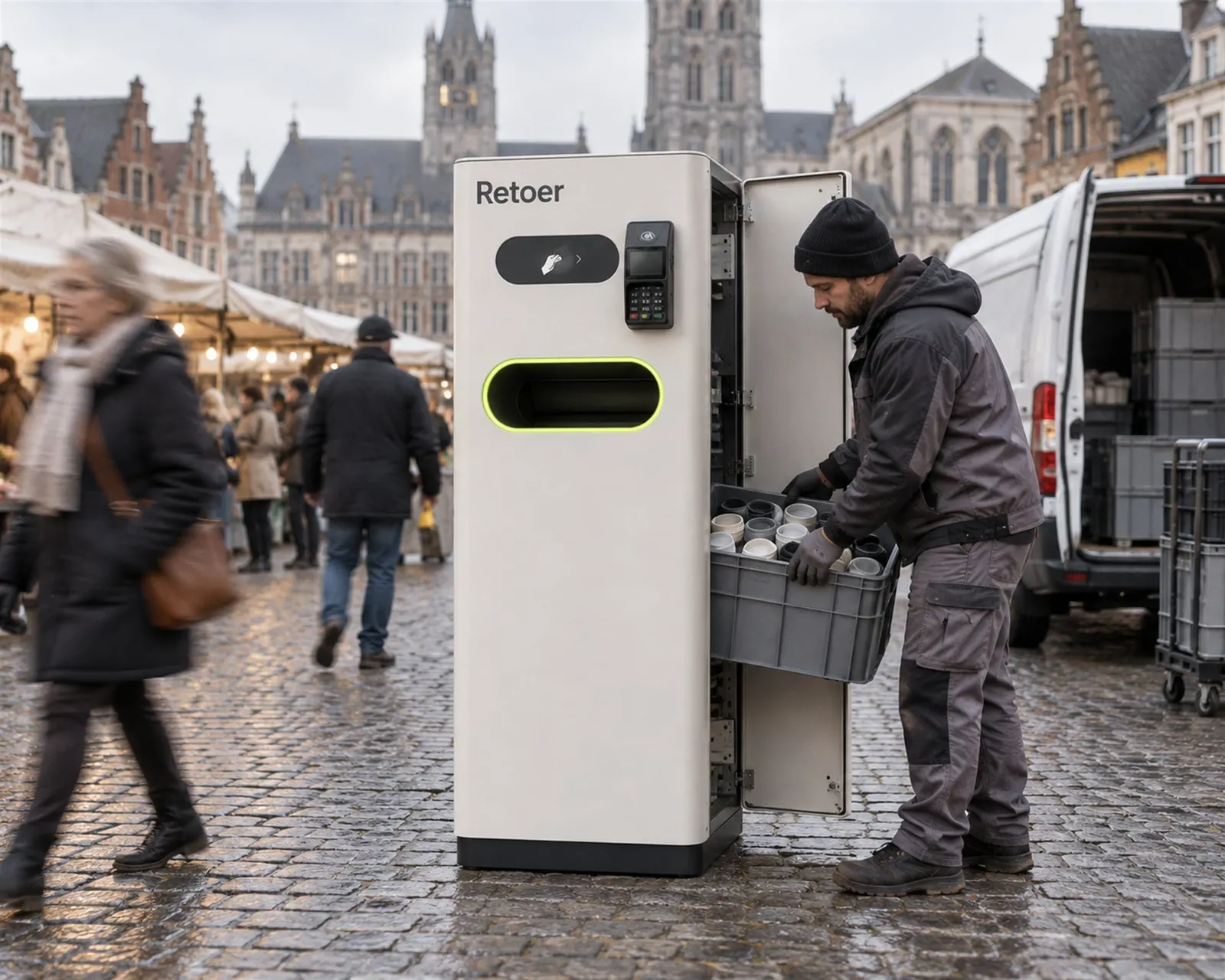
A model tender is a shared starting text that cities can adapt, so that their procurement asks for the same things. Retoer’s plan includes one, based on the Danish model, so that local procurement converges on one open standard.
It does three jobs:
- It saves each city from writing requirements from scratch.
- It makes bids from different operators comparable.
- It keeps every local system compatible with the others, so they can connect as the network grows.
Retoer has not published the text yet. Until it does, a city can use the points below as a checklist.
What a tender can ask for
Based on Retoer’s design principles and governance rules, a tender for a reuse system can ask for:
- An open standard. Any operator, producer, or washing partner can join under the same rules.
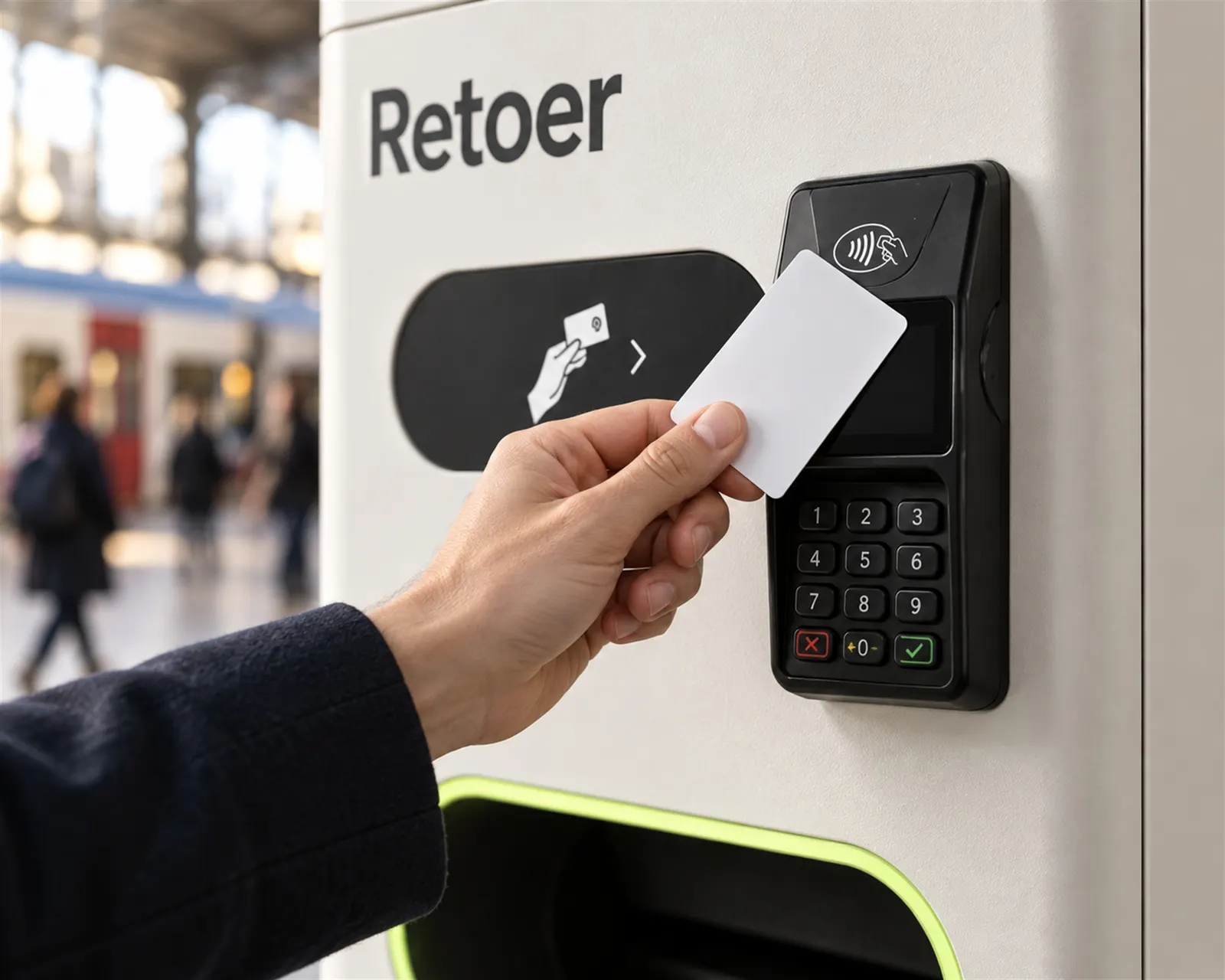
- App-free return. A person returns a container without installing or registering anything.
- One neutral standard pool. Branded packaging, if allowed, is a separate option.
- A minimum density of return points, as a condition before rollout in an area.
- Data and deposits held by a neutral administrator, never by an operator, so they stay safe if an operator stops.
- Cost-neutral for the business and price parity for the consumer.
- Dashboards with return rates, volumes, and impact for the city.
Reuse requirements in public procurement and at events are also one of the policy asks Retoer supports. A tender is where a city can act on that ask without waiting for new law.
What a city can do now
A city does not need to wait for a published model tender to prepare:
- List which departments buy or permit takeaway packaging: events, markets, canteens, public buildings.
- Ask existing reuse initiatives in the area to share return points instead of placing their own.
- Decide which of the requirements above are non-negotiable for your city.
- Talk to neighboring municipalities before tendering, so your requirements match.
Retoer is an open infrastructure for reusable packaging with deposit in Belgium, developed with Thomas More University of Applied Sciences. Rotion is the first technology provider helping to launch it, and other providers can join on the same open standard. Organizations can start in their own setting now, because a local setup runs on the open standard and joins the national system as it grows. For the city view, see what Retoer offers cities and municipalities, or read how the system works.
If you plan procurement for reuse in a Belgian municipality, we would like to compare notes. Get in touch with the Retoer team.