
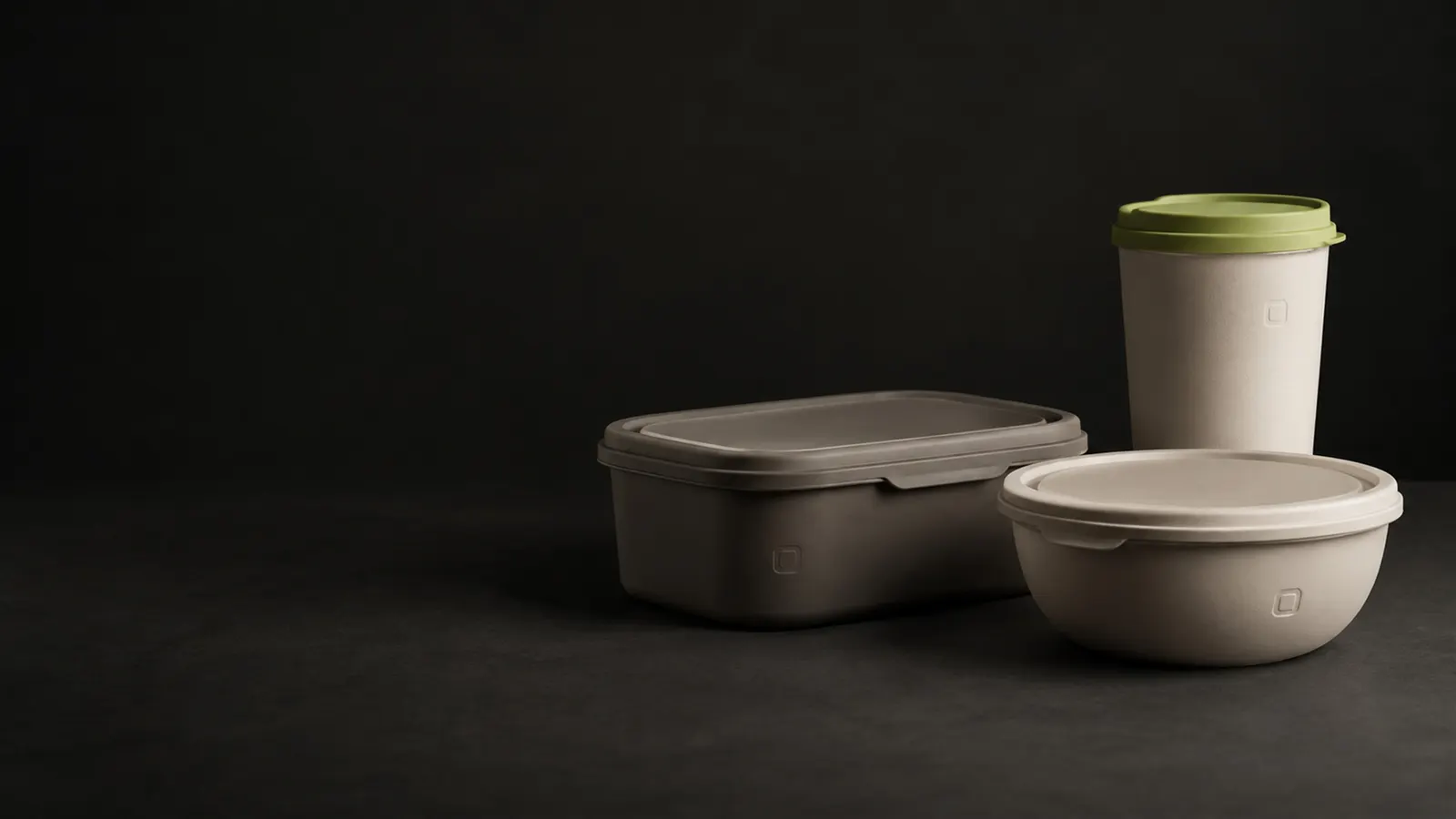
Insights on reusable packaging.
Articles on reuse, deposits, policy, and the evidence behind them, from the team building Retoer.
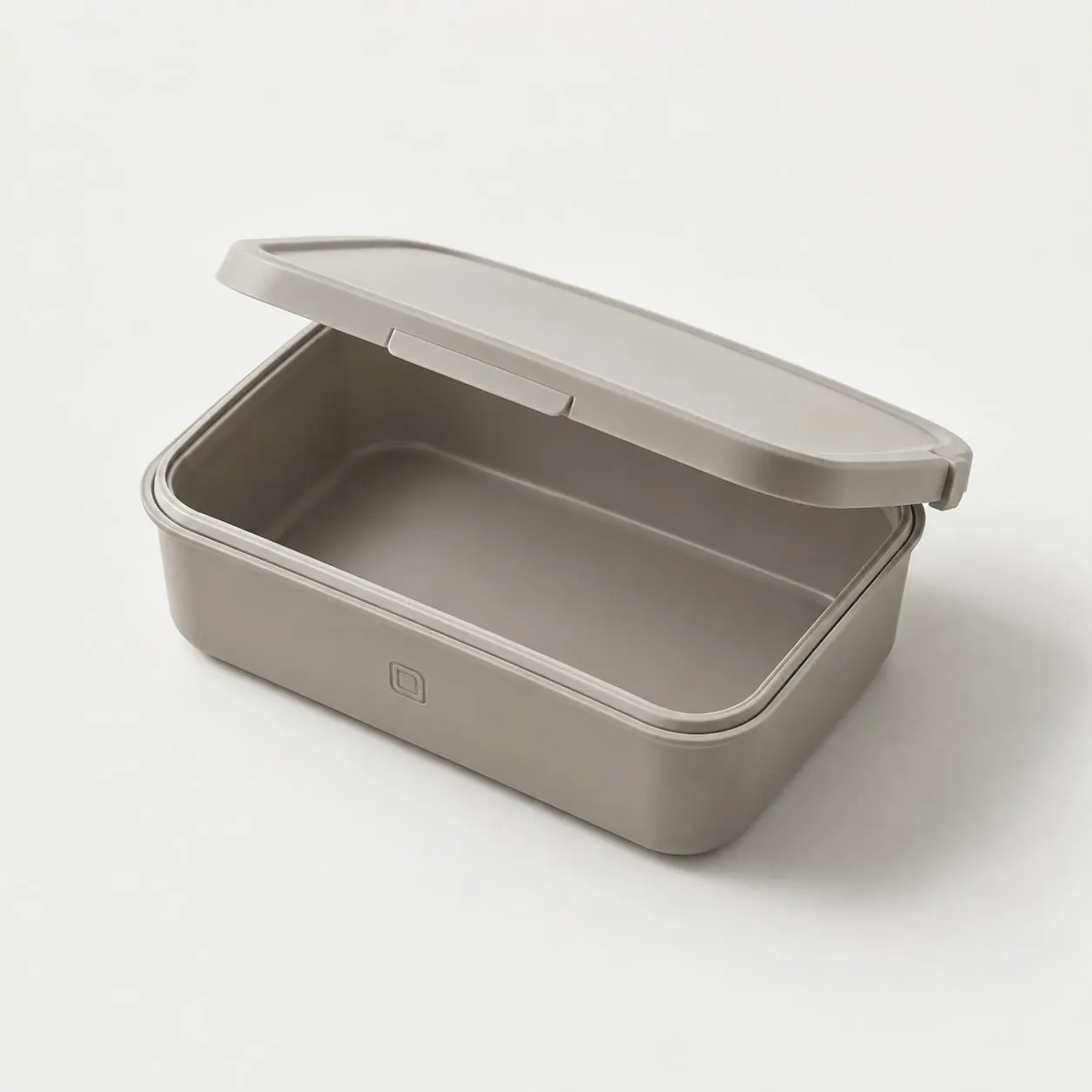
Deposit or library model: two ways to run reuse
What separates a deposit from a library model for reusable packaging, what each one needs, and which one most systems use.
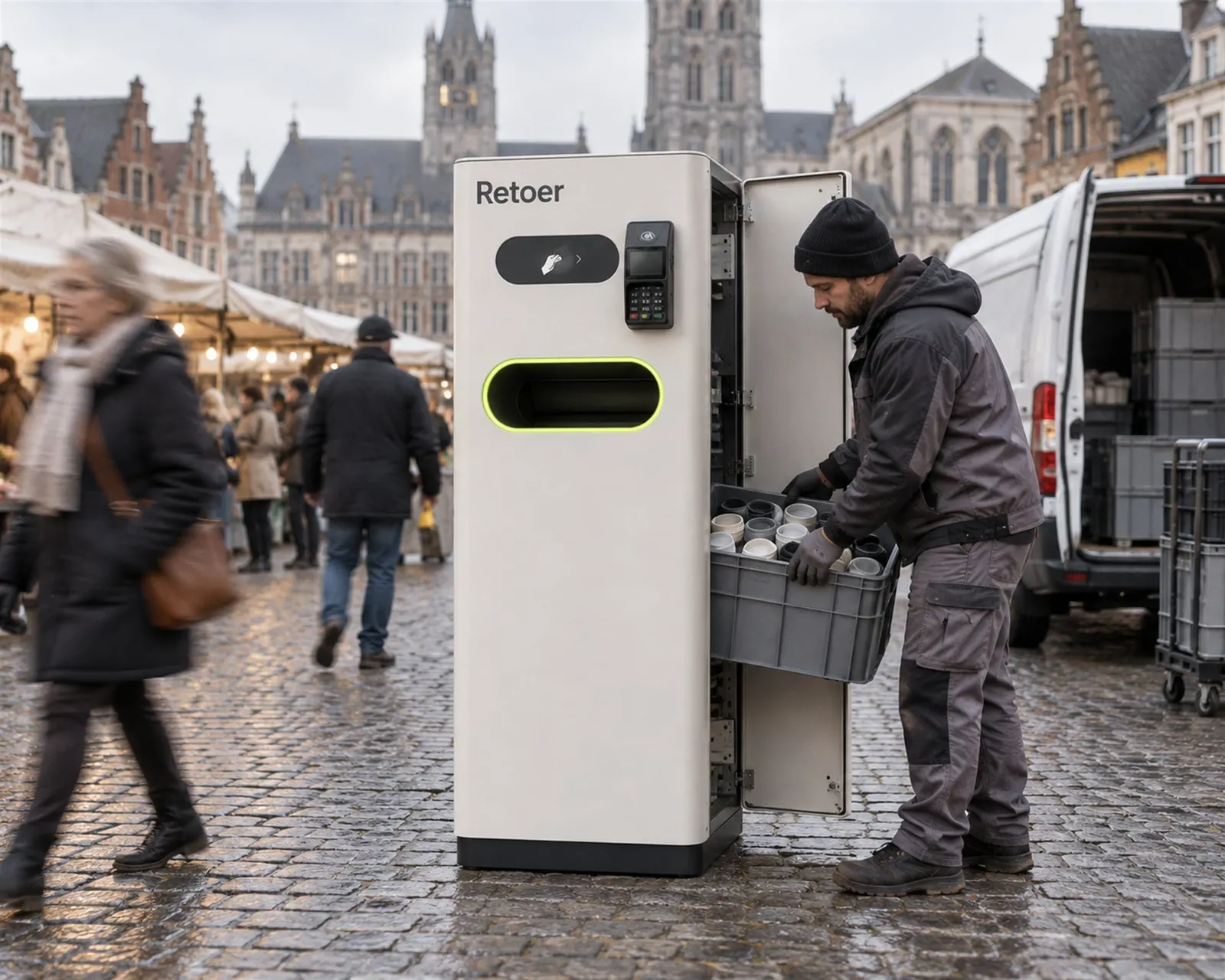
A model tender for reusable packaging: what Belgian cities can take from Denmark
How a municipality can procure reuse without locking itself in, and why tenders should converge on one open standard.
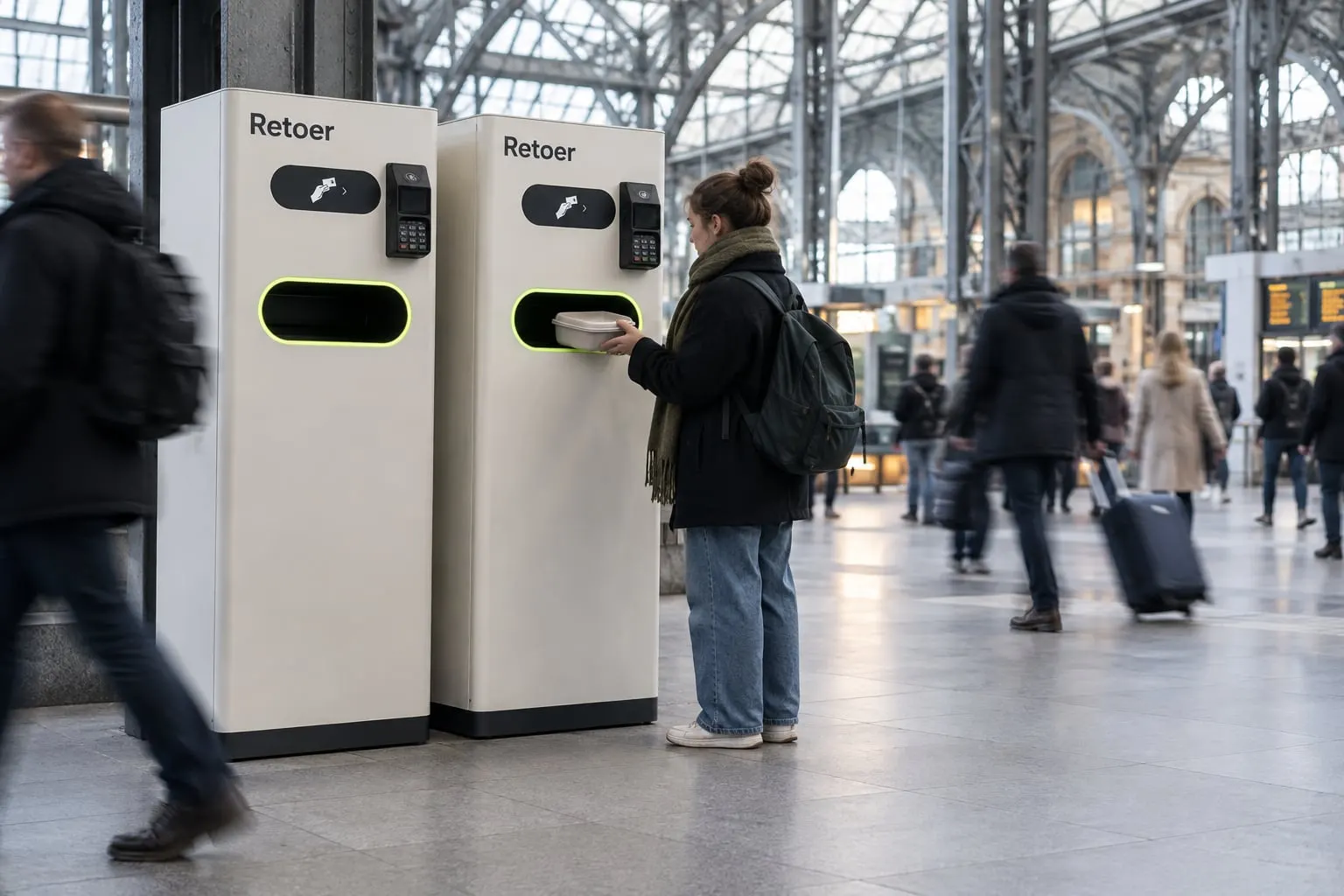
Seven rules every reuse system in Belgium has to pass
App-free return, a prepaid deposit, one pool, enough return points, equal cost, a neutral administrator, and policy that helps.
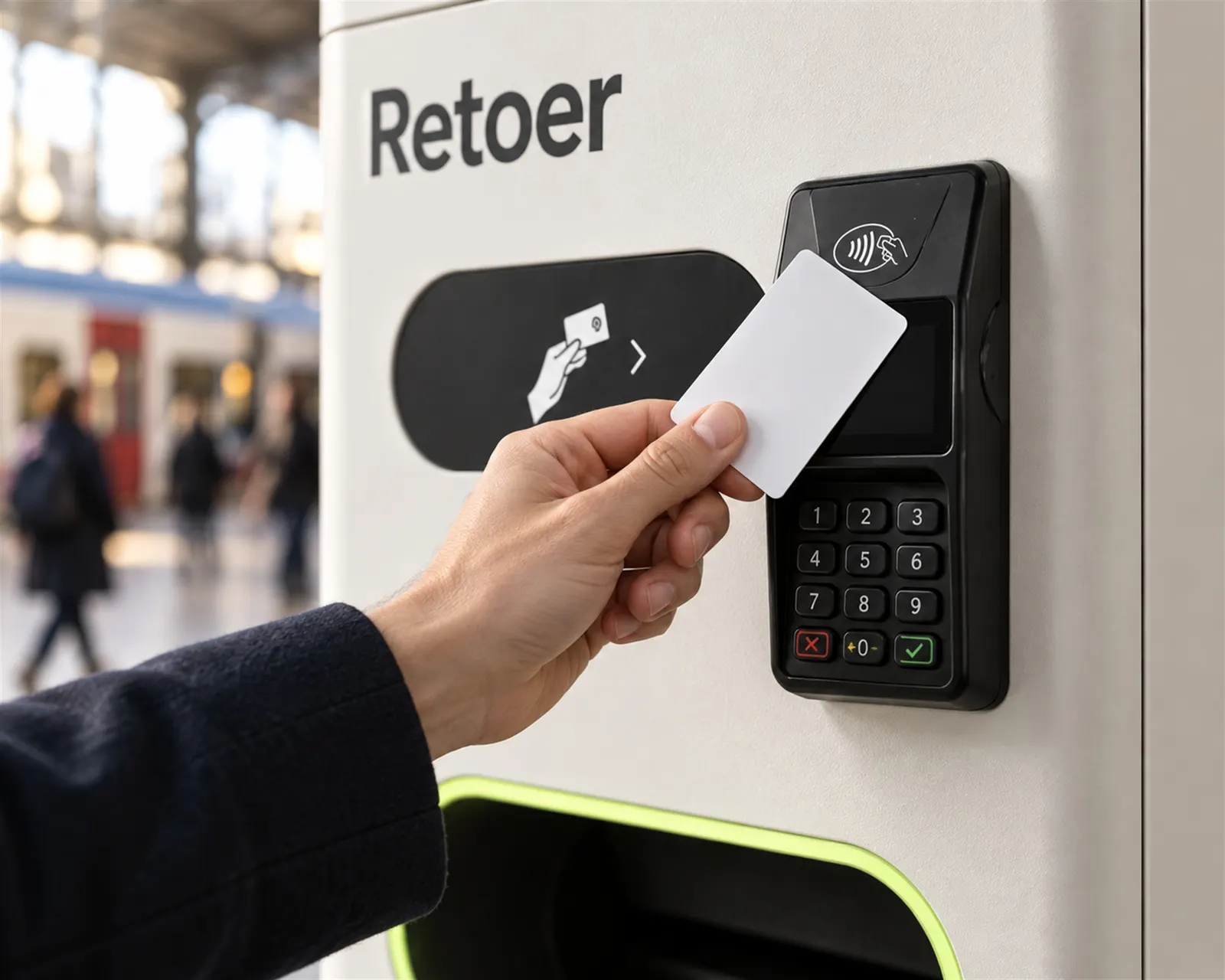
Why returning a container has to work without an app
Kooky relied on an app. Aarhus, Copenhagen, and Lisbon refund to a bank card. What that means for the return.

How many return points does a reuse system need?
Why a minimum density of return points comes before rollout, and what a city can plan today.

Germany made reuse mandatory. Why did it reach only 1.6%?
What Germany's reuse obligation requires, what it achieved in its first year, and three lessons for Belgian policy.

PPWR for horeca: what restaurants and takeaways must do in 2027, 2028, and 2030
Four PPWR rules reach the restaurant counter between 2027 and 2030. Here is what each one asks of you, with the date it starts.

How Aarhus runs a city reusable cup system with a 91% return rate
What a city reusable cup system needs, traced through the Aarhus results and the design choices behind them.
What does reusable takeaway packaging cost a restaurant?
A shared system is designed to cost a restaurant no more than single-use. This is where the money comes from and what is still open.
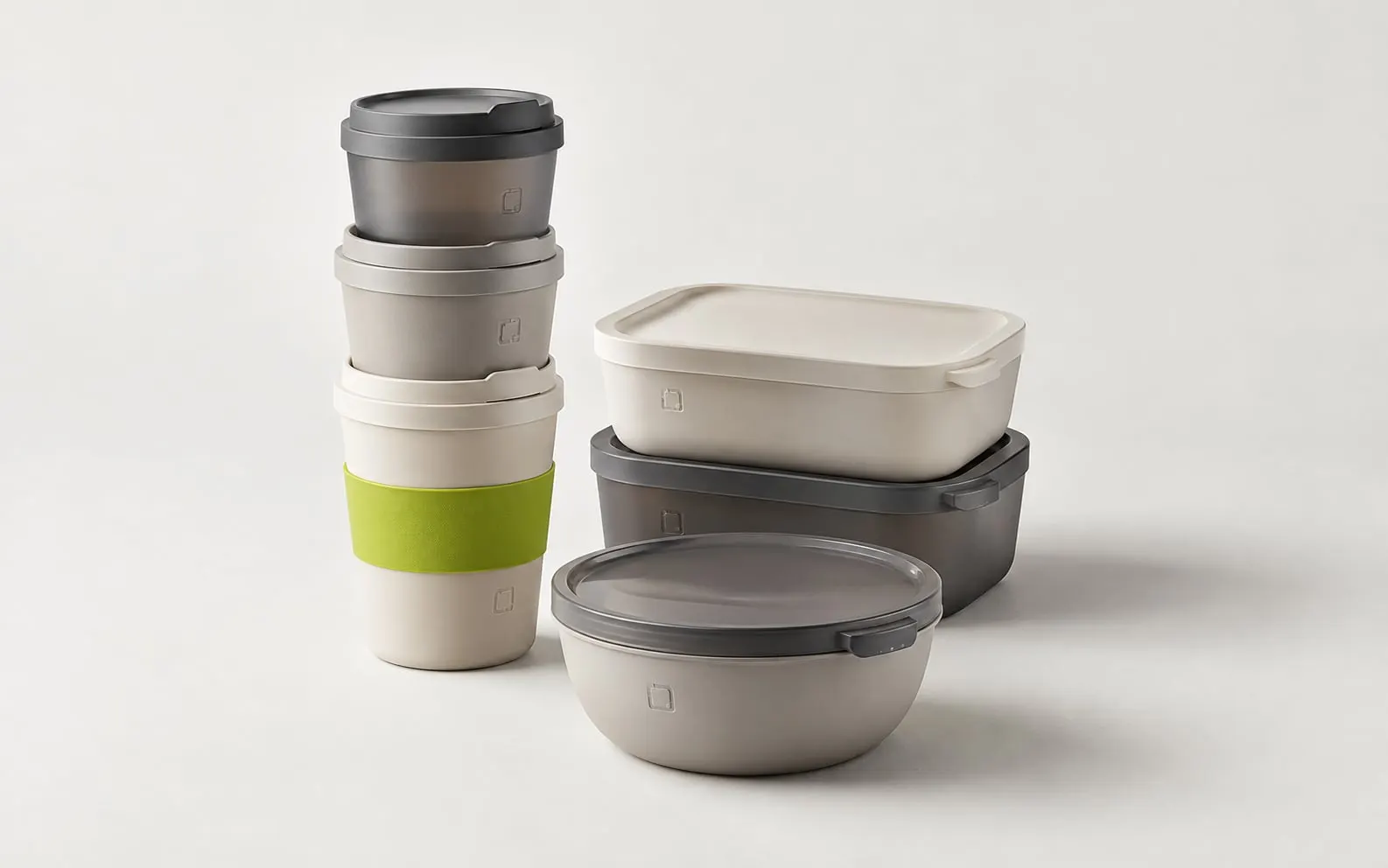
Reuse system governance: who owns the deposits when an operator stops?
If the company behind a reuse system goes bankrupt, what happens to the cups and the deposit money? It depends on who holds them.
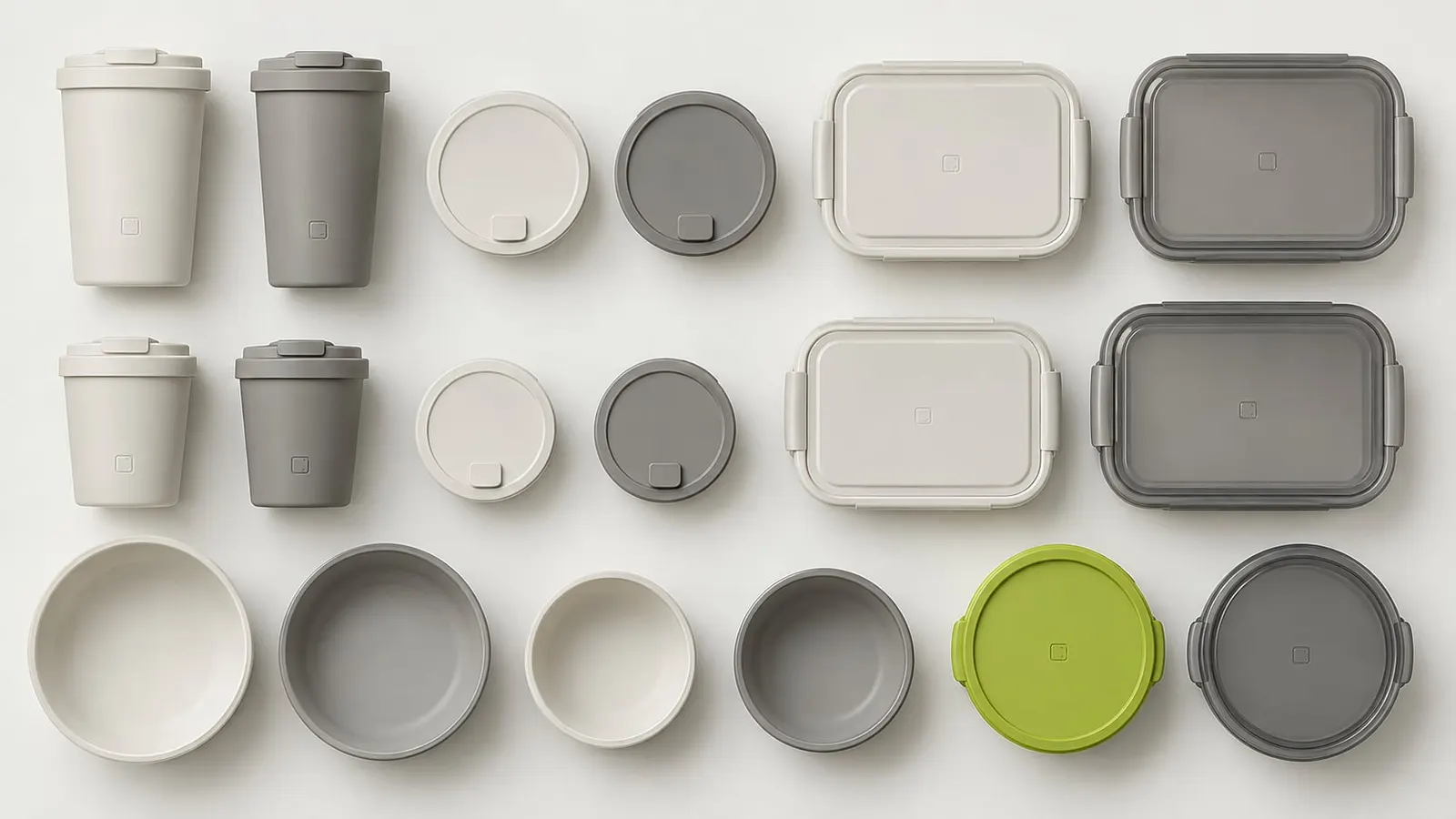
Why reusable packaging pilots stall in Belgium
Every reuse initiative in Belgium builds its own chain and stays too small. A shared system with four layers lets the volume add up.