
The cost of reusable takeaway packaging depends mostly on who runs the system. Retoer is designed so that taking part costs a restaurant no more than single-use packaging. The money comes from five places: deposits, per-return fees, packaging, public co-funding of return points, and pilot budgets. The prices and the deposit amount aren’t final yet. Retoer tests the system in municipalities of different sizes and in high-traffic zones, and those tests set the numbers.
Why reuse costs more when you run it alone
A restaurant that starts its own reuse scheme takes on a small logistics company. It needs a way to track containers and charge deposits, often an app. Someone has to collect the containers, wash them to a standard, and get them back on the shelf. Customers can only bring containers back to your counter, while returns anywhere on a network raise return rates and keep stock moving.
Each of those jobs costs money, and a single takeaway spreads that cost over its own volume. That is why reuse so often looks more expensive than a sleeve of single-use boxes.
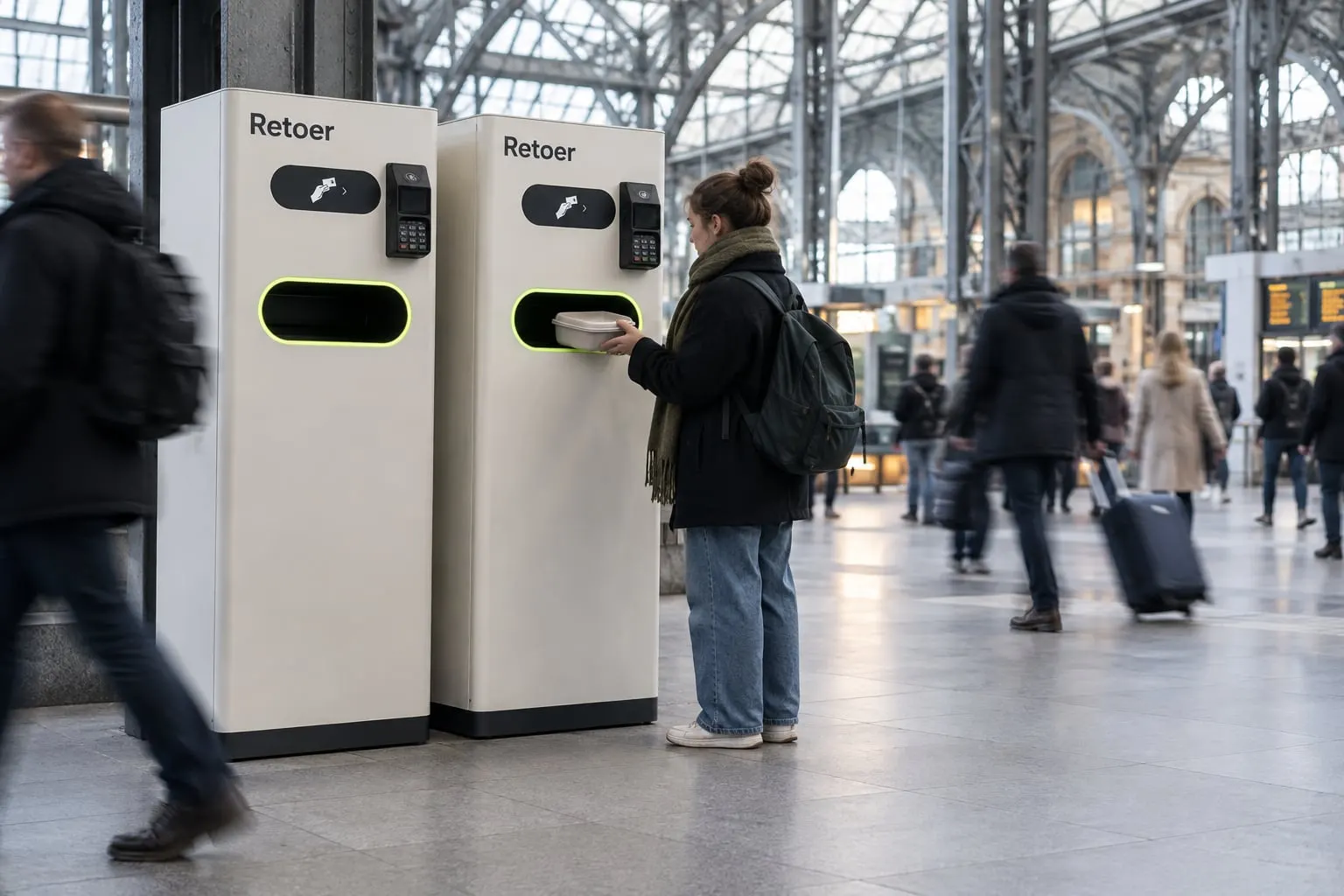
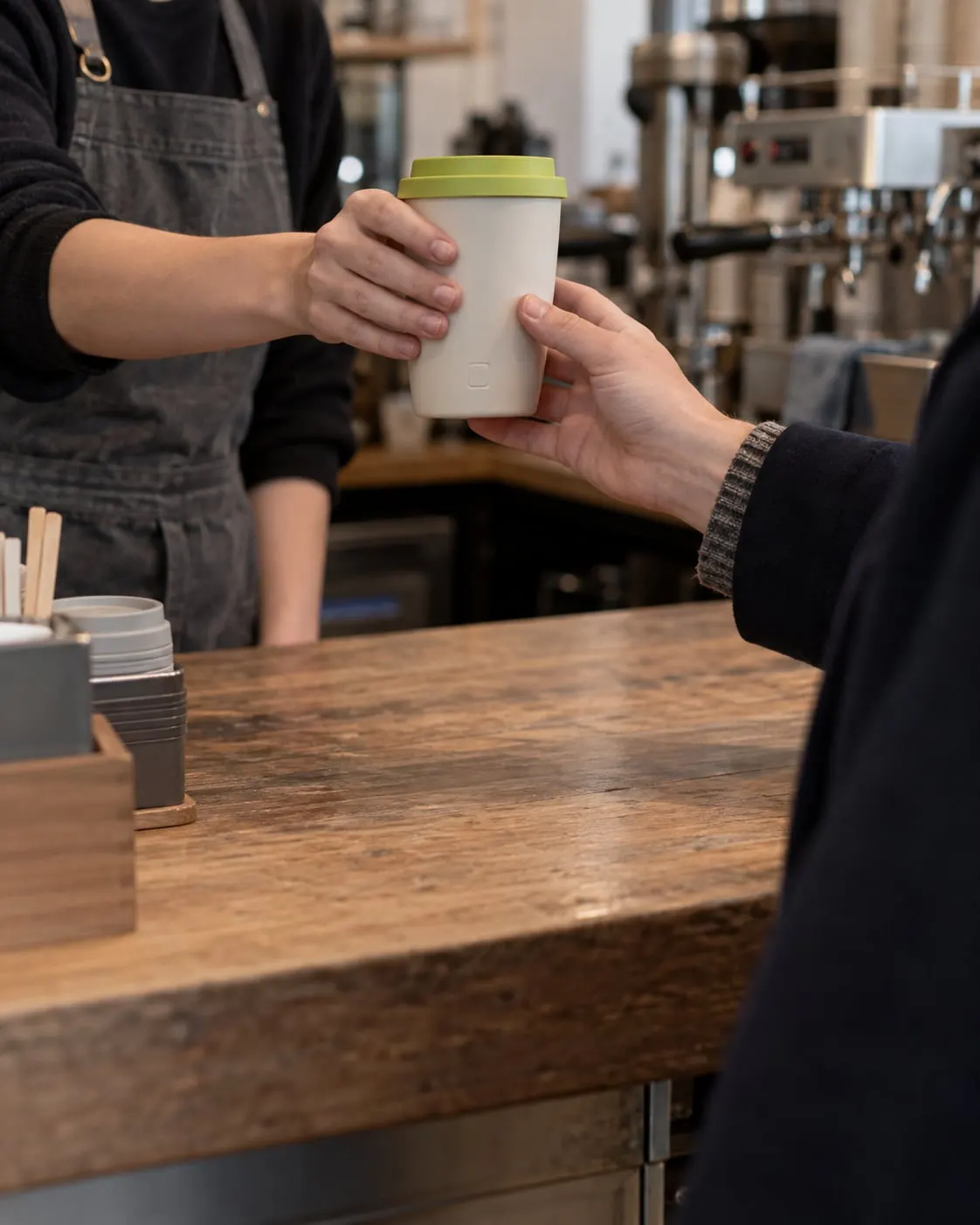
Retoer takes those jobs out of the restaurant. You serve food and drinks in reusable containers. Customers return them at any Retoer return point: a kiosk, a return machine, or another participating business. Connected washing and logistics partners collect, wash, and redistribute the containers. You don’t need your own app, your own washing line, or your own logistics.
Where the money in a shared system comes from
In a shared system, many businesses share those jobs. Five sources pay for them.
Deposits
The customer pays a small deposit with the meal or drink and gets it back on return. One of Retoer’s design principles is a prepaid deposit that is noticeable but low and the same across the whole system. The pool, the data, and the deposits sit with a neutral administrator, not with an operator. Our post on who owns the deposits explains why that matters.
Per-return fees
A fee applies to each container that comes back. The pilots set the amount.
Packaging
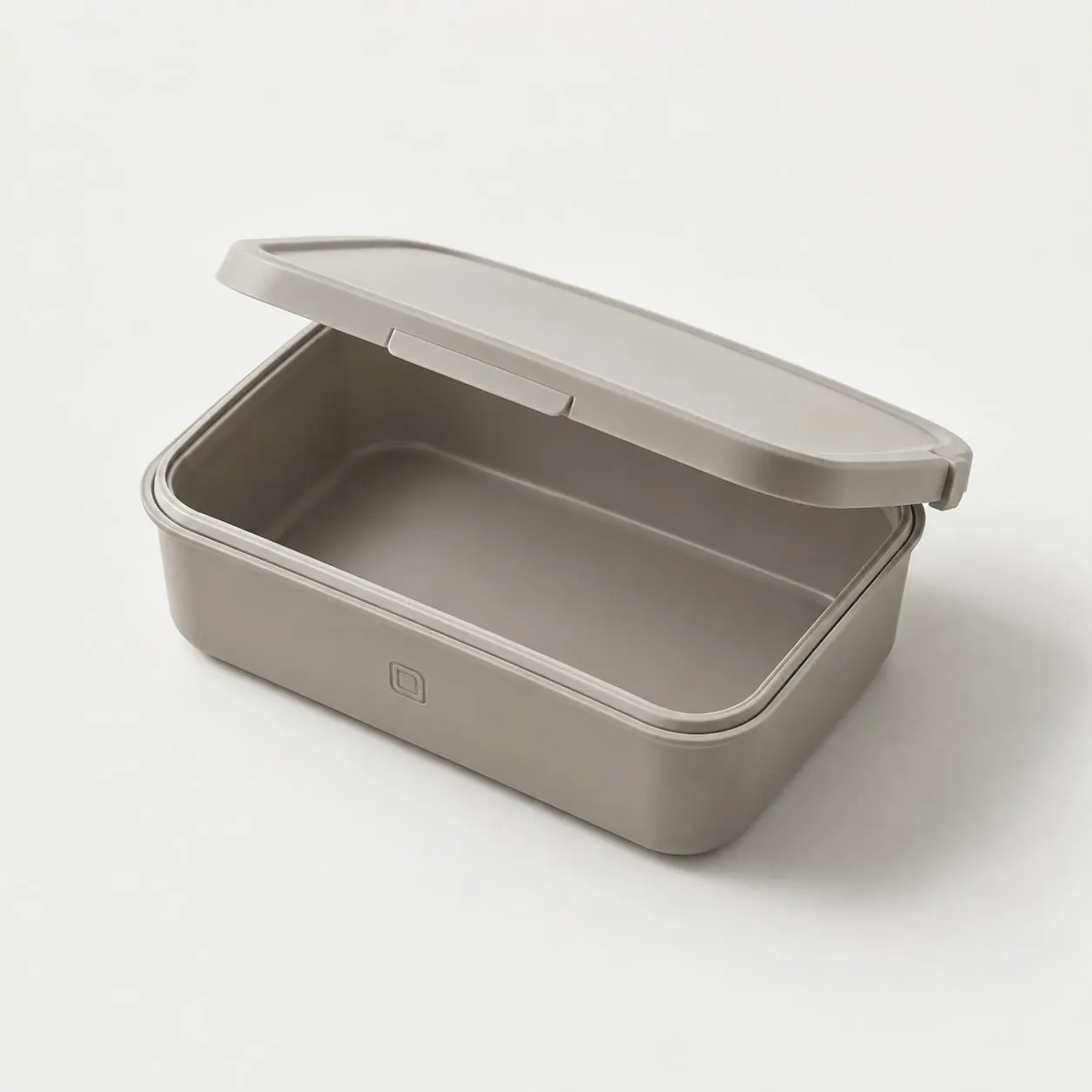
Containers come from a shared pool built to an open standard. Producers certify their packaging once and sell it to every connected business, so the pool doesn’t depend on one supplier.
Public co-funding of return points
Return points work as public infrastructure, comparable to public waste bins, so public money can help pay for them. The page for cities covers that side.
Pilot budgets
In pilot regions, regional pilot budgets pay washing and logistics at cost price.
Neutral or branded: how your choice affects reusable takeaway packaging cost
You choose between two kinds of container. The neutral shared container is the lowest-cost option, because every business uses the same one and every return point can take it back.
Branded containers can run on the same network. They are a premium option, because sorting them separately costs more. If your brand on the cup matters to you, you can keep it and pay for that extra step.
Will reuse make my takeaway more expensive to run?
It shouldn’t. Retoer is designed so that participation costs a business no more than single-use packaging, and so that reuse never looks more expensive to the customer at the counter. Final prices and the deposit amount are set during the pilots, which test the system in municipalities of different sizes and in high-traffic zones.
How rules and incentives change the comparison
The rules for single-use packaging are changing too. Under the EU Packaging and Packaging Waste Regulation (PPWR), customers can bring their own container at no extra cost from 12 February 2027, takeaway businesses must offer a reusable option from 12 February 2028, and single-use plastic is banned for on-site consumption from 1 January 2030, according to a PPWR timeline from Compliance Gate. Retoer is built to help you meet those obligations without building your own return system.
Elsewhere in Europe, cost for businesses is treated as a design question. In Copenhagen, businesses get financial support based on their single-use volume, and 34 return stations were in place by November 2025, according to the City of Copenhagen. Germany shows the opposite case. It obliged businesses to offer reusables but added no levy and no enforcement, and the reuse share in takeaway went from 0.7% in 2022 to 1.6% in 2023, according to WWF Germany.
That is why Retoer supports a price incentive on single-use packaging: it changes the comparison a customer makes at the counter.
What still sits with you
A shared system takes the washing and logistics off your hands. Your staff still hand over the container and explain the deposit. Staff at the counter matter, so Retoer gives them a communication toolkit based on lessons from Denmark.
You also help decide what works. The pilots set prices, fees, and the deposit amount, and they test the consumer flow. Restaurants and takeaway businesses that join now have a say in those choices. The horeca page sums up what Retoer offers your business.
If you run a restaurant, café, or takeaway and want a say in how the costs are shared, join the working group. It brings together horeca, cities, producers, washing partners, and existing initiatives to shape the standard and the pilots.