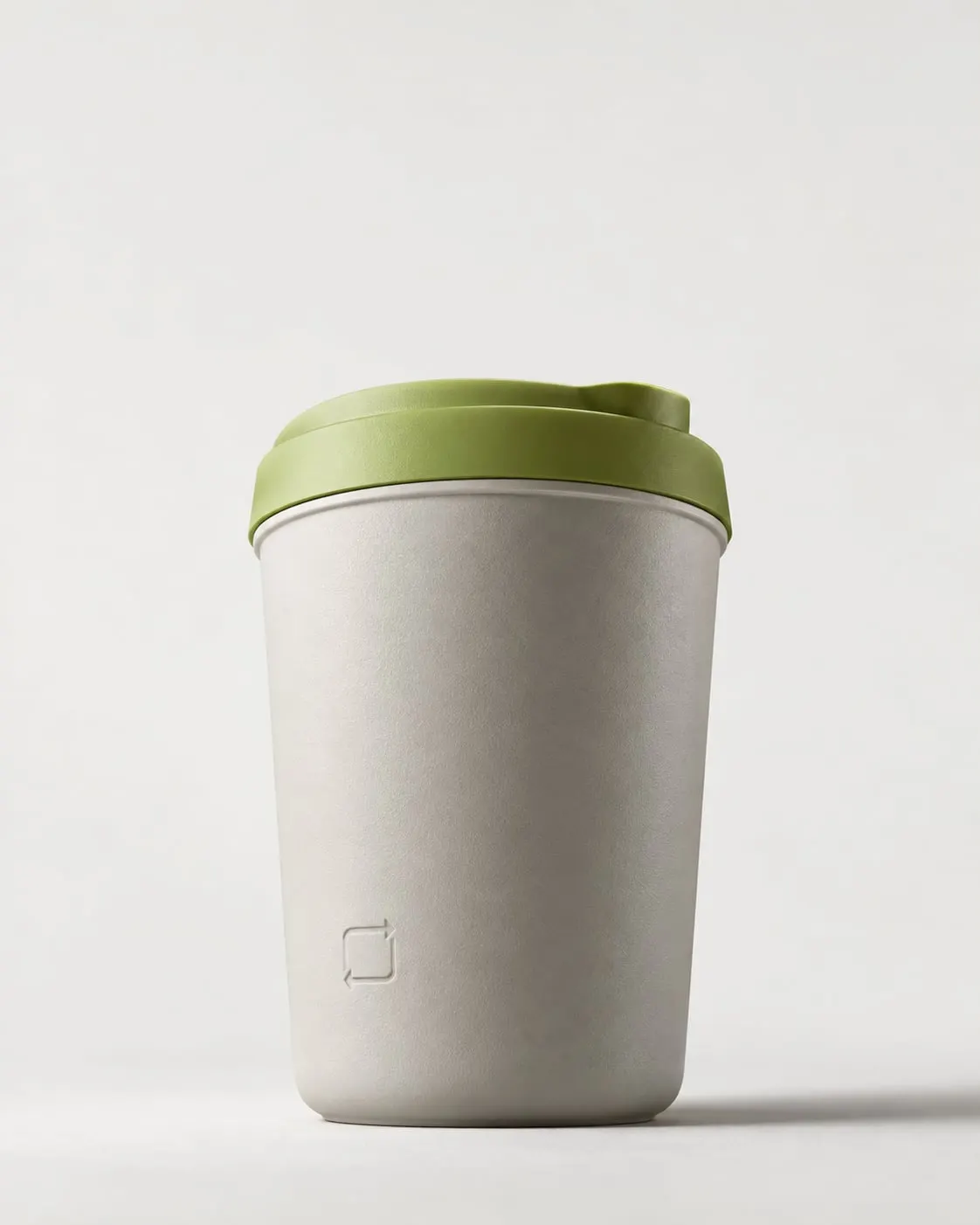


Since January 1, 2023, Germany’s Mehrwegangebotspflicht has required restaurants, cafés, and takeaways to offer a reusable option next to single-use. In the first year, the reuse share in German takeaway rose from 0.7% to 1.6%, according to WWF Germany. The law made reuse available without making it the easier choice: single-use still costs nothing extra, the reuse systems don’t take each other’s containers, and staff rarely mention the option. Belgium faces a similar duty under the PPWR from 2028, so the German results are worth reading closely.
What the Mehrwegangebotspflicht requires
The rule is in sections 33 and 34 of the German Packaging Act (VerpackG). It applies to any business that sells food in single-use plastic packaging or drinks in single-use cups, whatever the cup is made of. That business also has to offer the same food or drink in reusable packaging.
Three details shape how it works in practice:
- The reusable option may not cost more or come on worse terms than single-use. A deposit is allowed.
- Small businesses, with at most five employees and at most 80 m² of sales area, can fill a customer’s own container instead. Chains count all their employees together, according to a Deutsche Umwelthilfe guide.
- Each of the federal states enforces the rule.
The obligation covers the offer only. It doesn’t make single-use more expensive, and it doesn’t tell a business which reusable system to use.
What changed after one year
The WWF Germany market analysis, carried out by the packaging research firm GVM, measured the first year. Reusable packaging went from 0.7% of takeaway packaging in 2022 to 1.6% in 2023.
Over the same period, single-use packaging in German takeaway grew from about 13.6 billion to about 14.6 billion units. So the share of reuse more than doubled, and the volume of single-use still went up.
Why did an obligation to offer reuse change so little?
An offer only changes behavior when choosing it is easier or cheaper than the default. In Germany, single-use stayed the cheaper, simpler default. Customers had no price reason to switch, every system took back only its own containers, and many businesses kept the reusable option out of sight.
No price signal on single-use
The German law keeps reuse from looking more expensive, but it puts no cost on single-use. For a customer at the counter, both options cost the same, and single-use asks for no return trip. Deutsche Umwelthilfe, an environmental group that tests how businesses apply the law, calls for financial incentives and a nationwide levy on single-use takeaway packaging.
The Netherlands took the other route. It combines a surcharge on single-use cups and containers with a ban on single-use for food and drink consumed on site. Its aim is 40% fewer single-use cups and containers by 2026 compared with 2022. That is a target, not a measured result, but the design differs: the Dutch rule puts a price on the default.
Many systems on one street
In Germany, several reuse systems that don’t work with each other operate on the same street. A cup from one café goes back only to cafés in the same system. The customer has to remember which container goes where, and a container that can’t go back at the next counter often doesn’t come back at all.
This is the fragmentation that also holds back reuse in Belgium. Each initiative builds its own chain of packaging, logistics, washing, and customers, and each one stays too small. A legal duty to offer reuse doesn’t fix that. It may even multiply the systems, because every business picks one on its own.
An offer nobody mentions
The obligation depends on staff at the counter. Deutsche Umwelthilfe ran test visits at takeaway chains for two years. In 180 visits, staff never once offered the reusable option without being asked, according to a report in Lebensmittel Praxis. In 7 of 15 outlets of four large chains, the group found that the rules weren’t applied correctly.
What Belgium can take from Germany
From February 12, 2028, the PPWR requires takeaways across the EU to offer a reusable option. Our PPWR timeline for horeca lists every date. Belgium can meet that duty in the German way, or it can build on what works elsewhere. Aarhus shows the other end: one tendered system for the city and a 91% return rate, covered in how Aarhus gets its cups back.
The German results translate into a short list of requirements:
- A price incentive on single-use packaging, so single-use stops being the cheaper default.
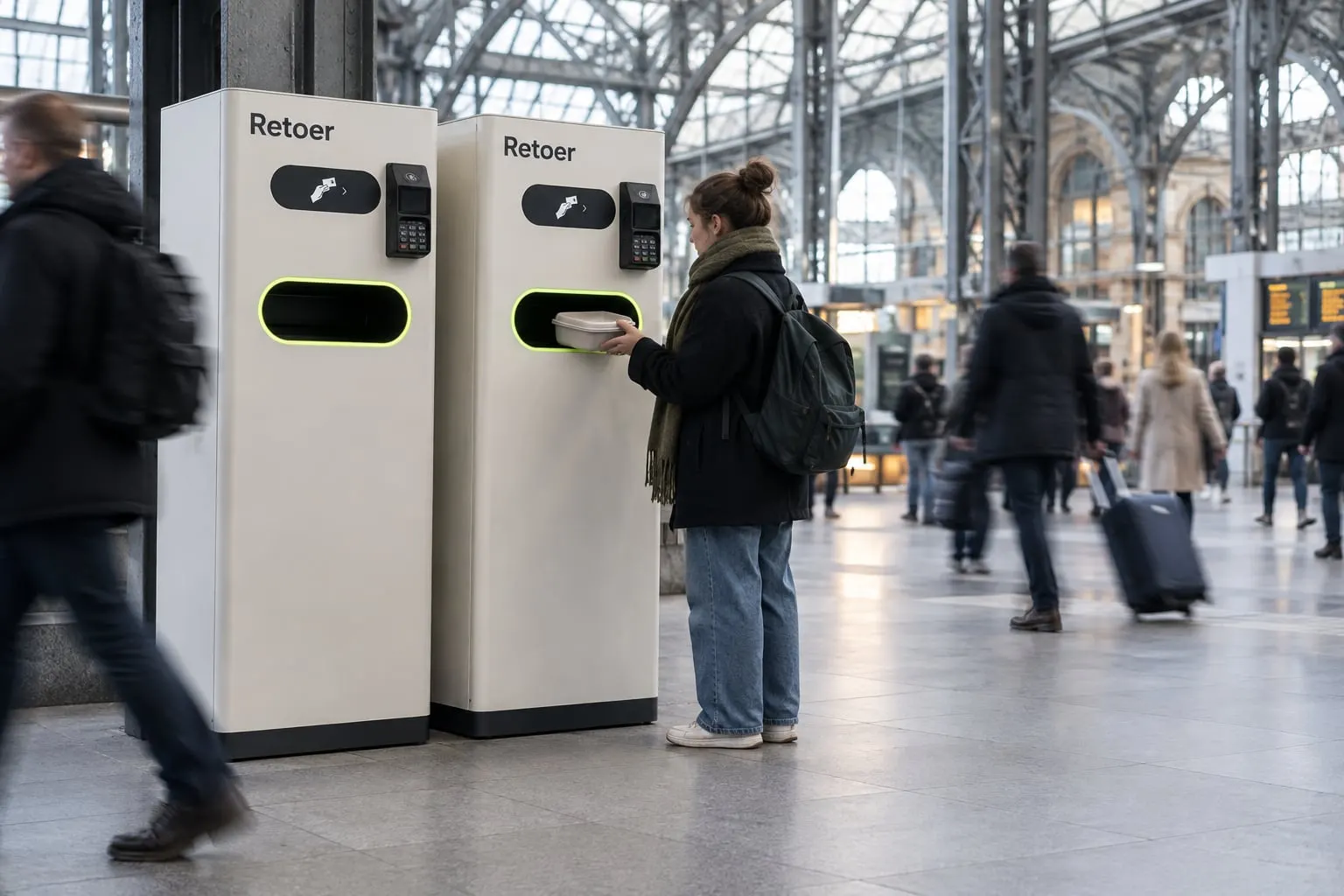
- One neutral standard pool, so any container goes back at any return point.
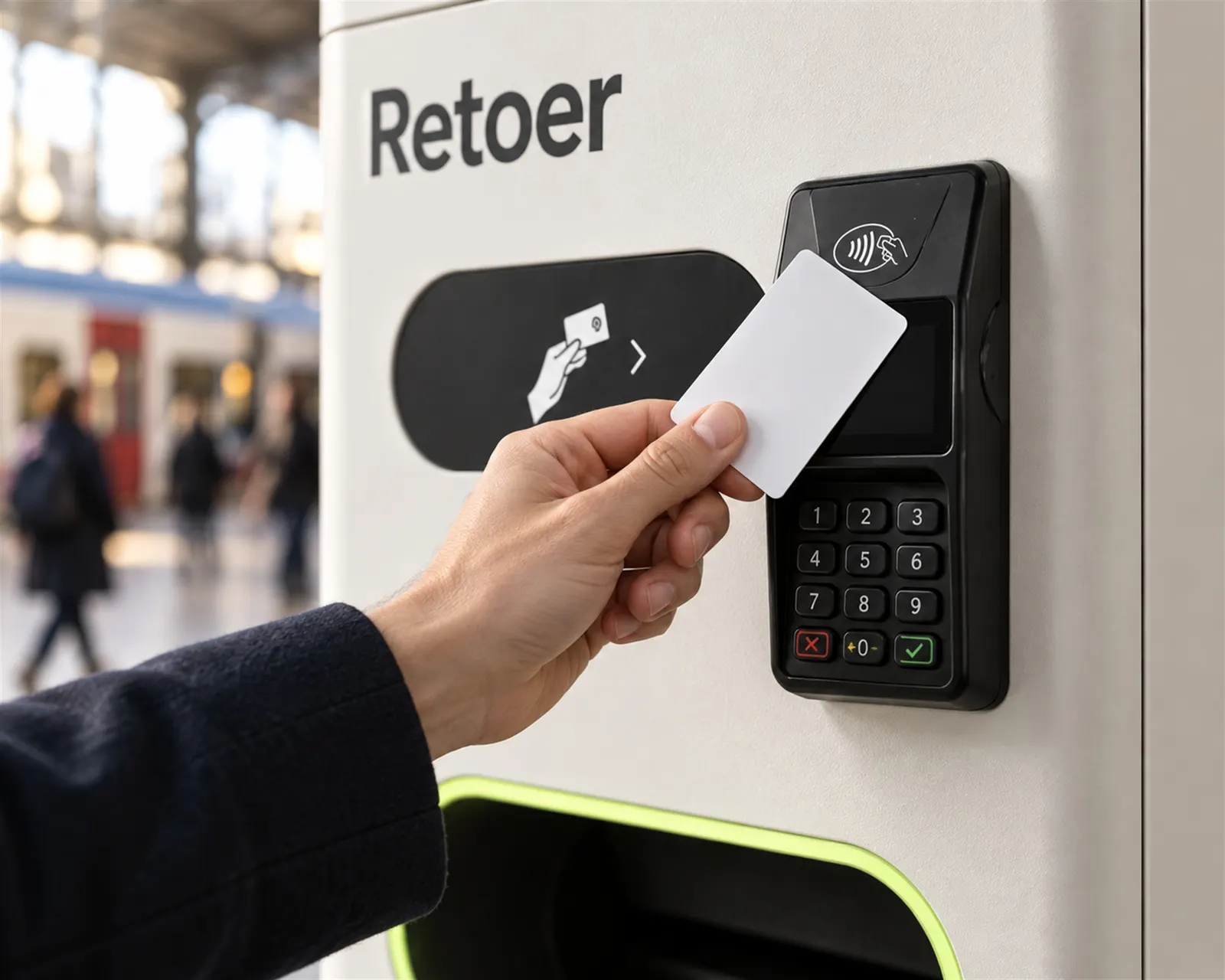
- Return without an app, by tapping a bank card, in under 30 seconds.
- A minimum density of return points before rollout in an area.
- Price parity at the counter, so reuse never looks more expensive.
- A neutral administrator that holds the pool, the data, and the deposits.
These are Retoer’s design principles. Retoer is an open infrastructure for reusable packaging with deposit in Belgium, developed with Thomas More University of Applied Sciences. Rotion is the first technology provider helping to launch it, and other providers can join on the same open standard. Retoer tests the system in municipalities of different sizes and in high-traffic zones. For the evidence and the policy asks, see what Retoer offers policy makers.
If you shape packaging or reuse policy in Belgium, we would like to compare notes before 2028. Get in touch with the Retoer team.